Peninsula Valdes’ Unique Marine Fauna Heaven
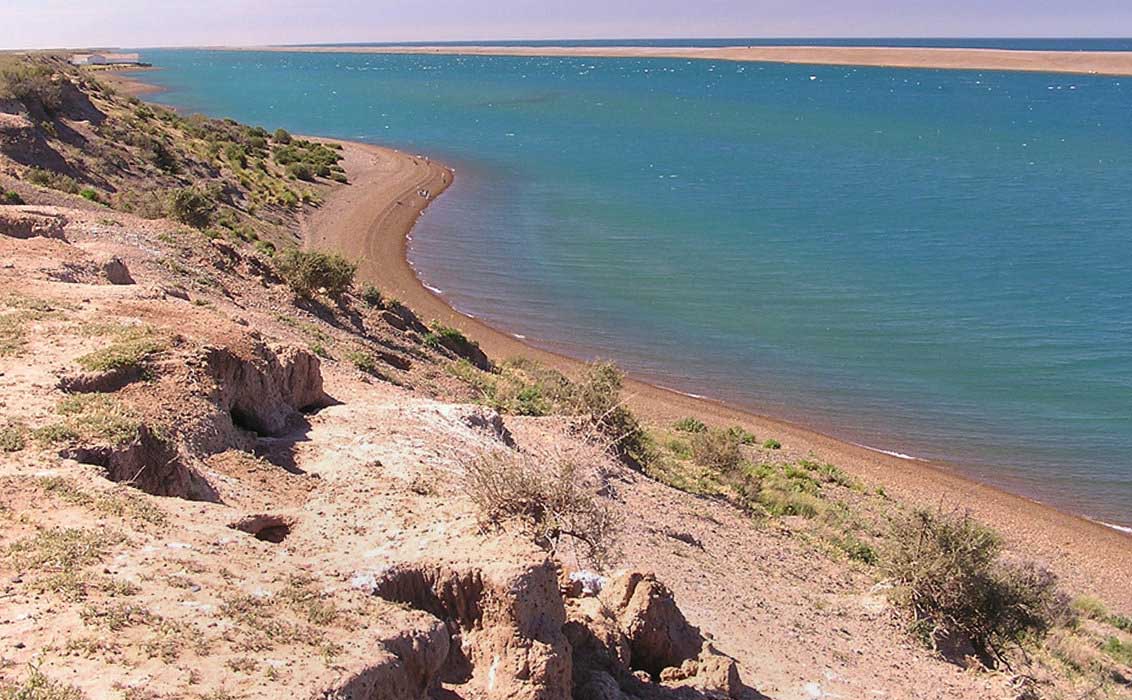
Peninsula Valdes is one of the largest marine wildlife reserves in the entire world, and a prime spot for viewing a diverse collection of wildlife. It was designated a World Heritage Site by UNESCO because of its global significance as a marine wildlife refuge for several threatened species.
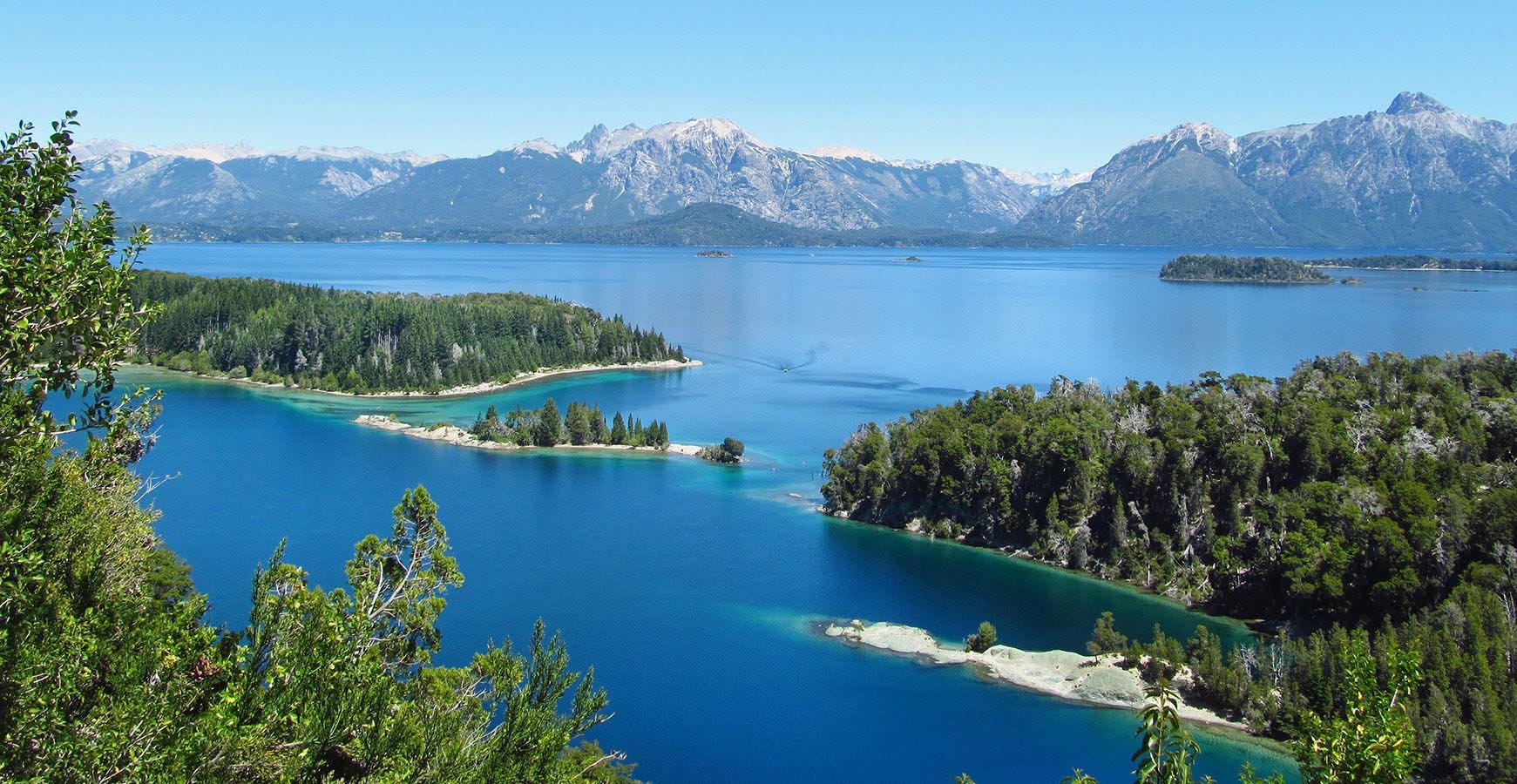
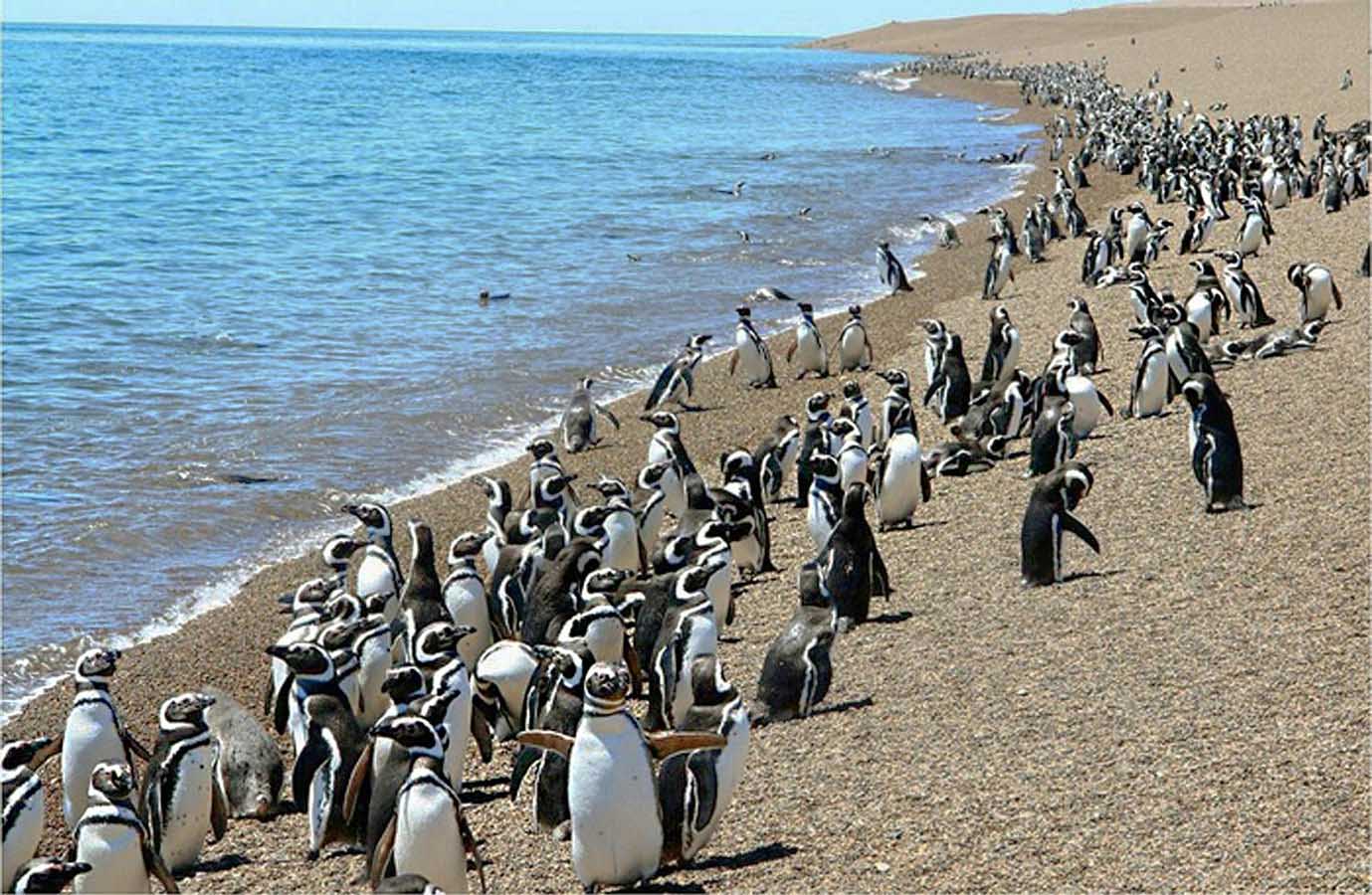
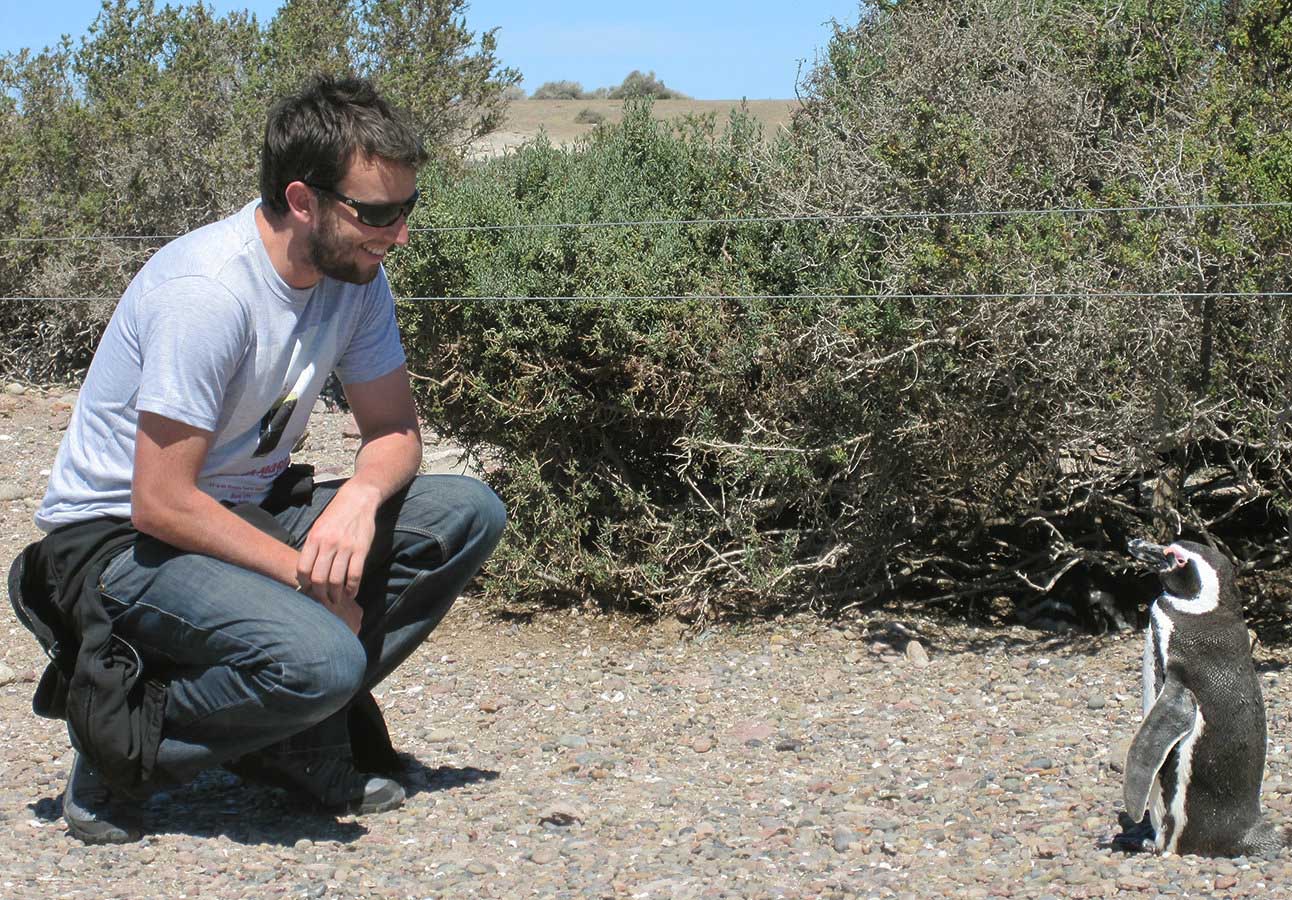
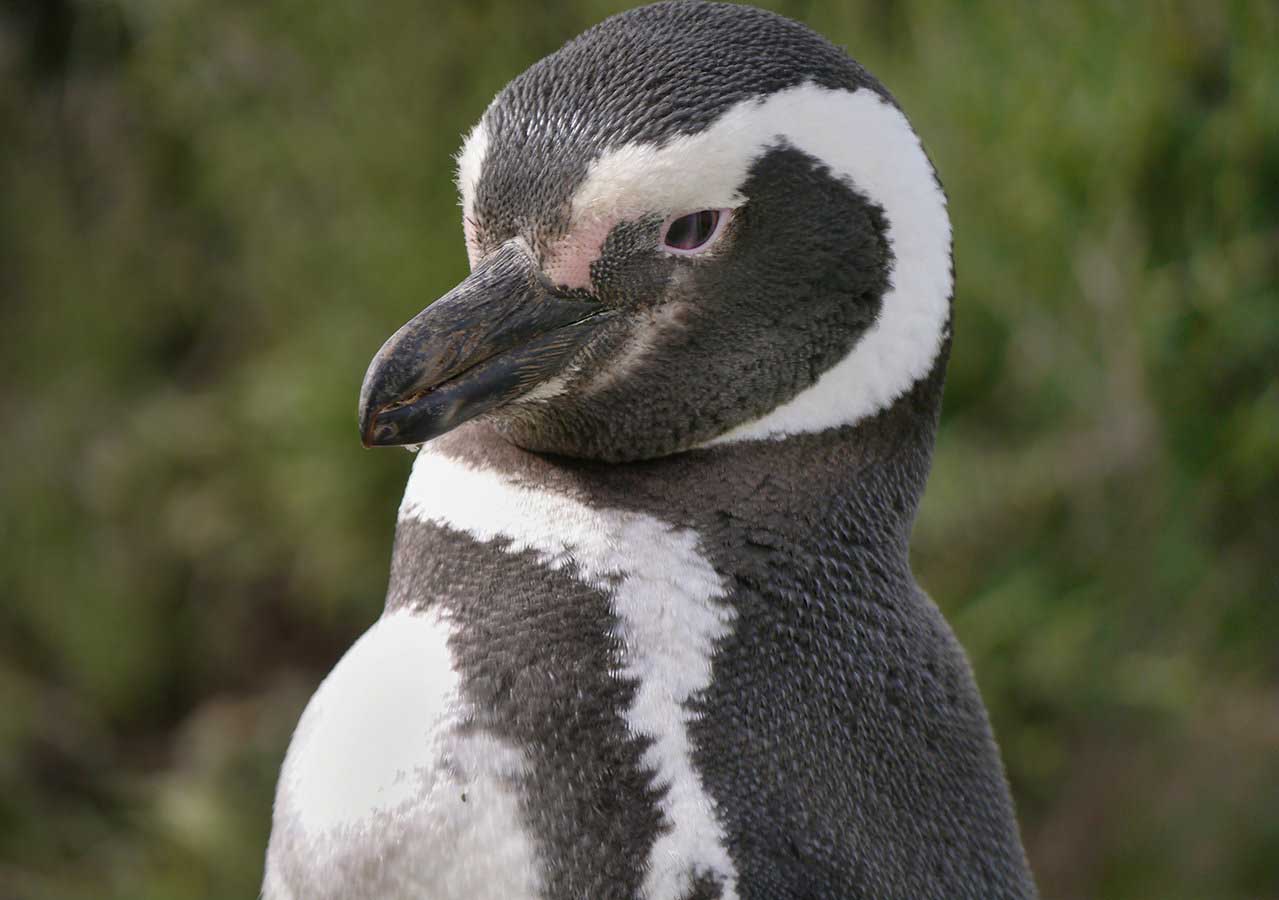
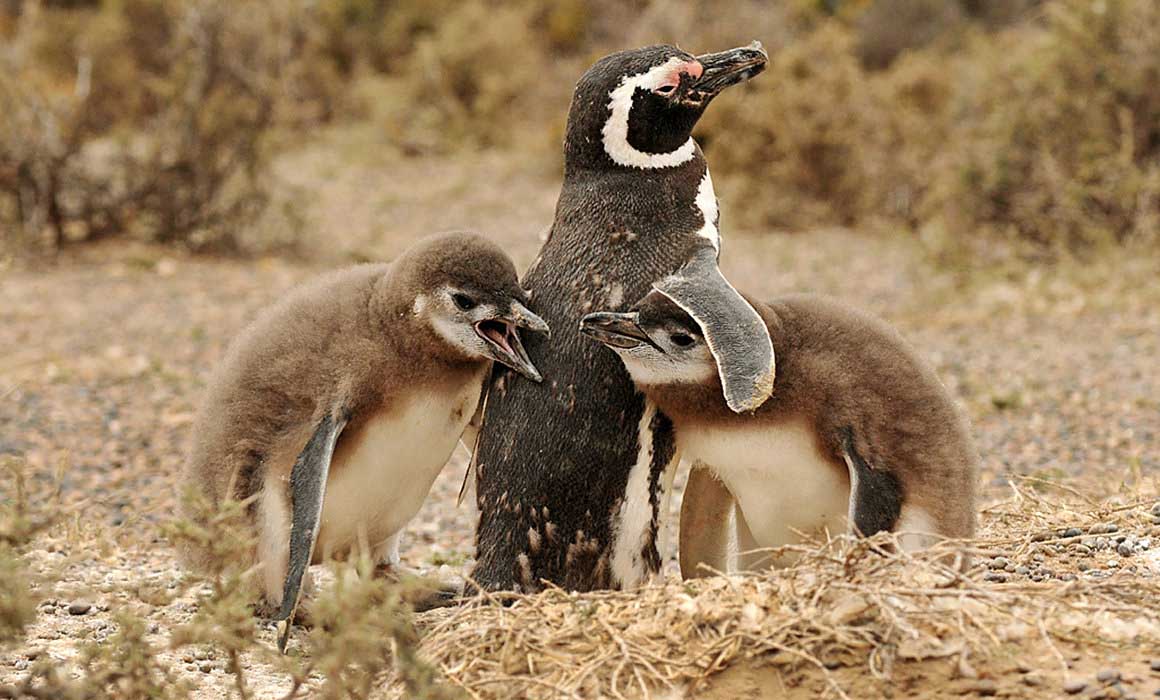
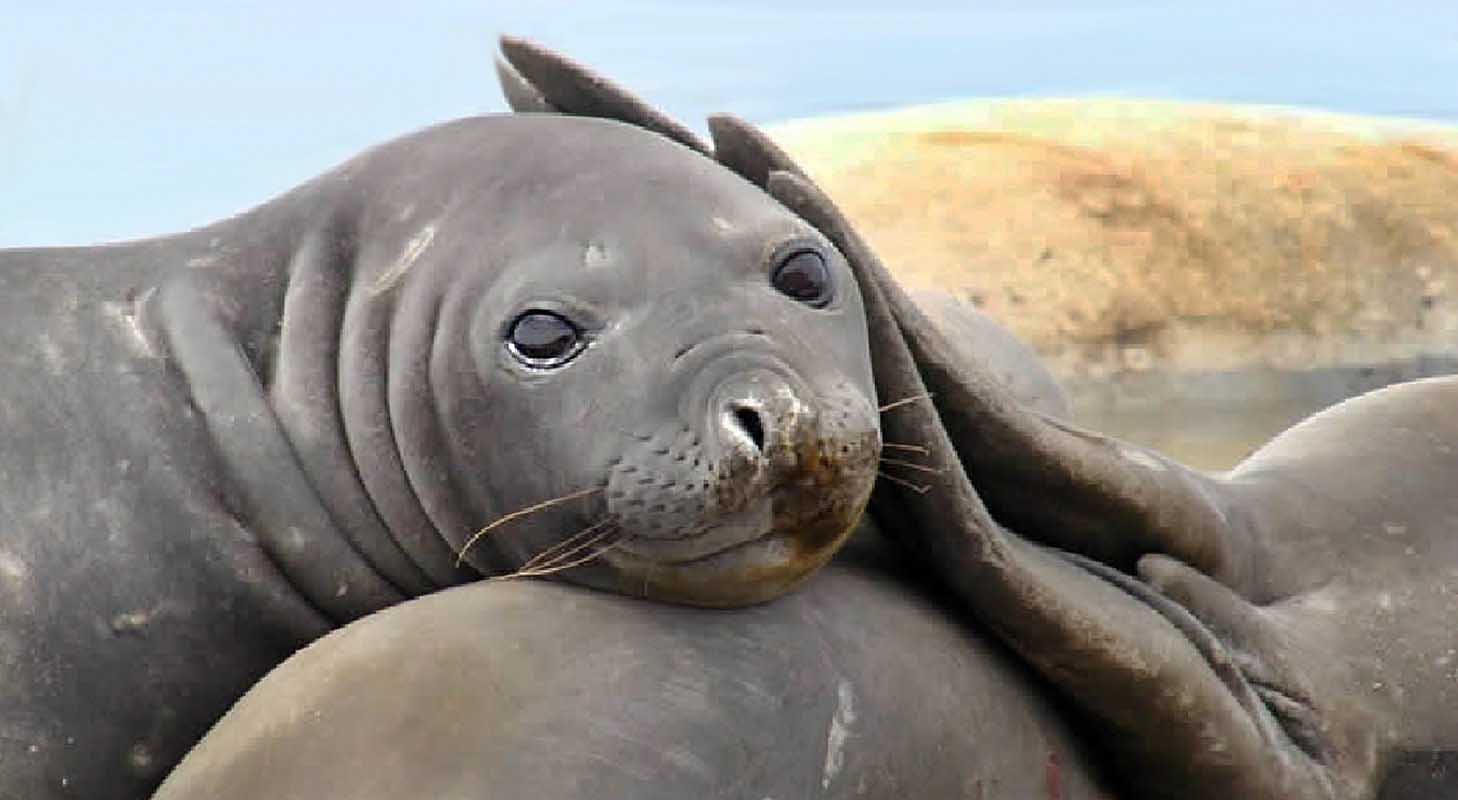
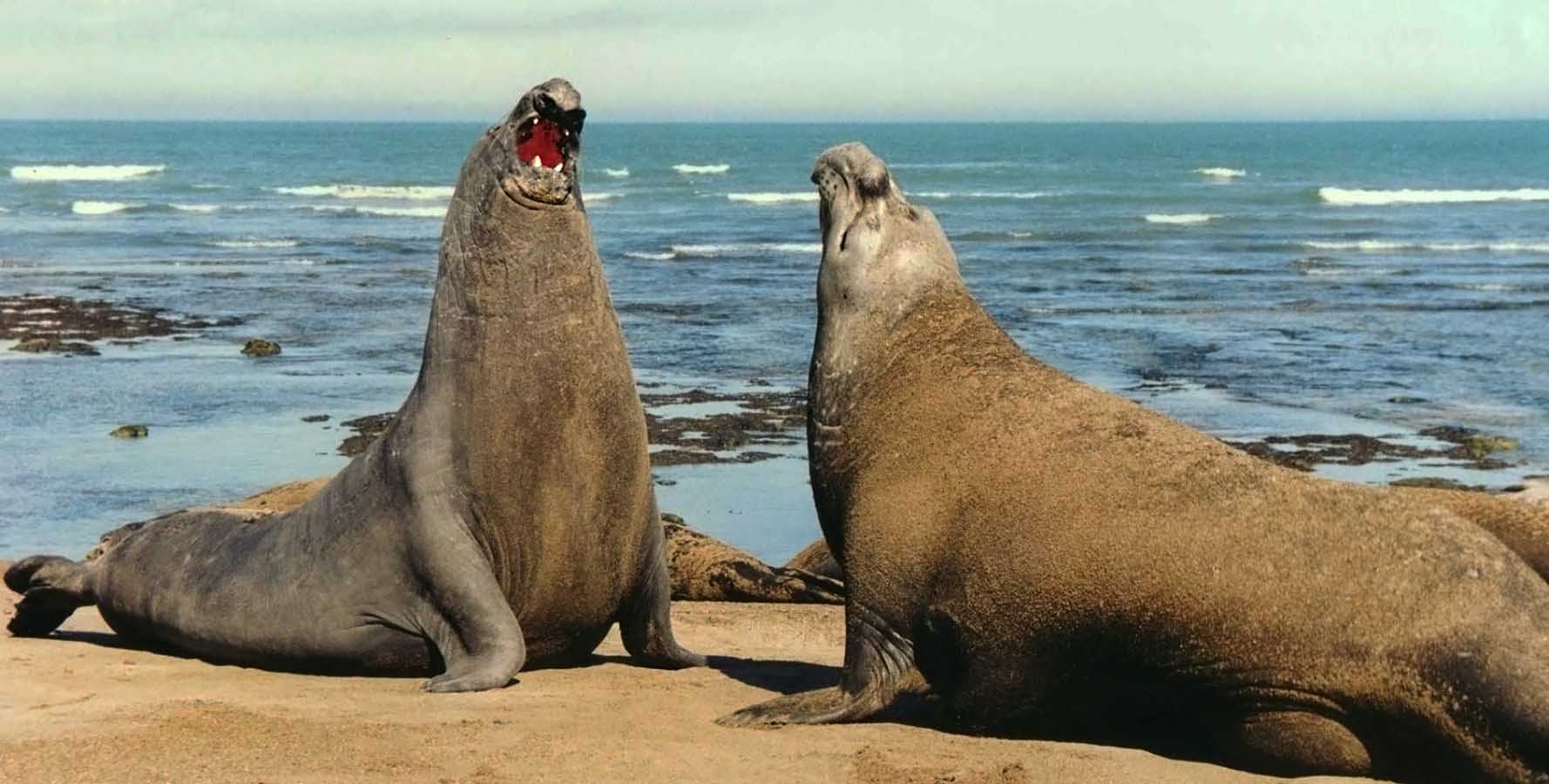
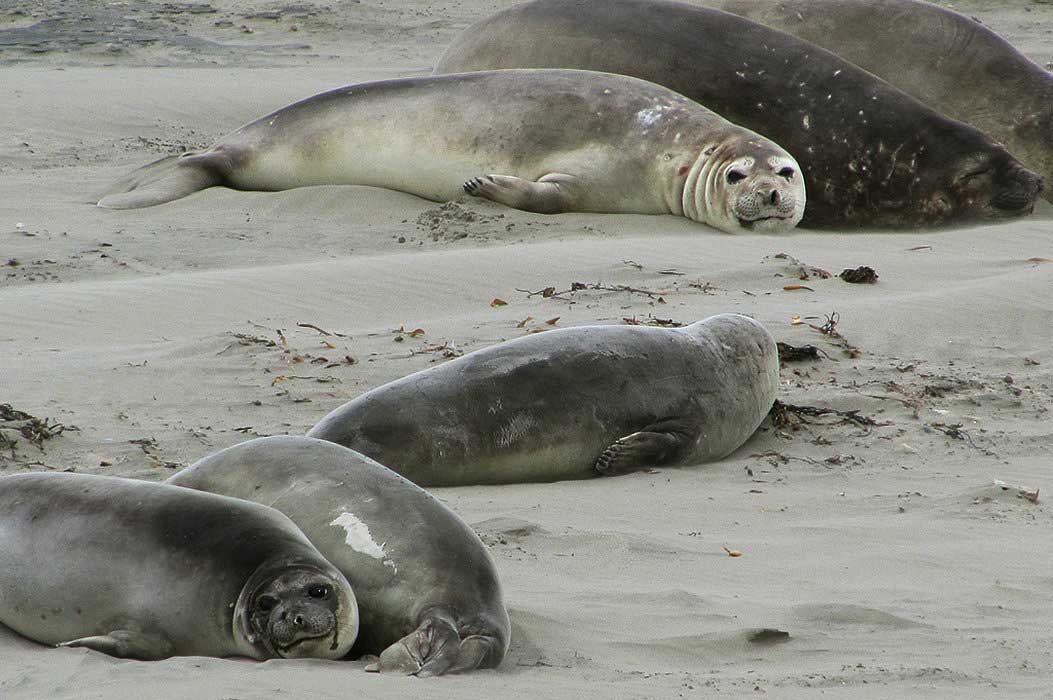
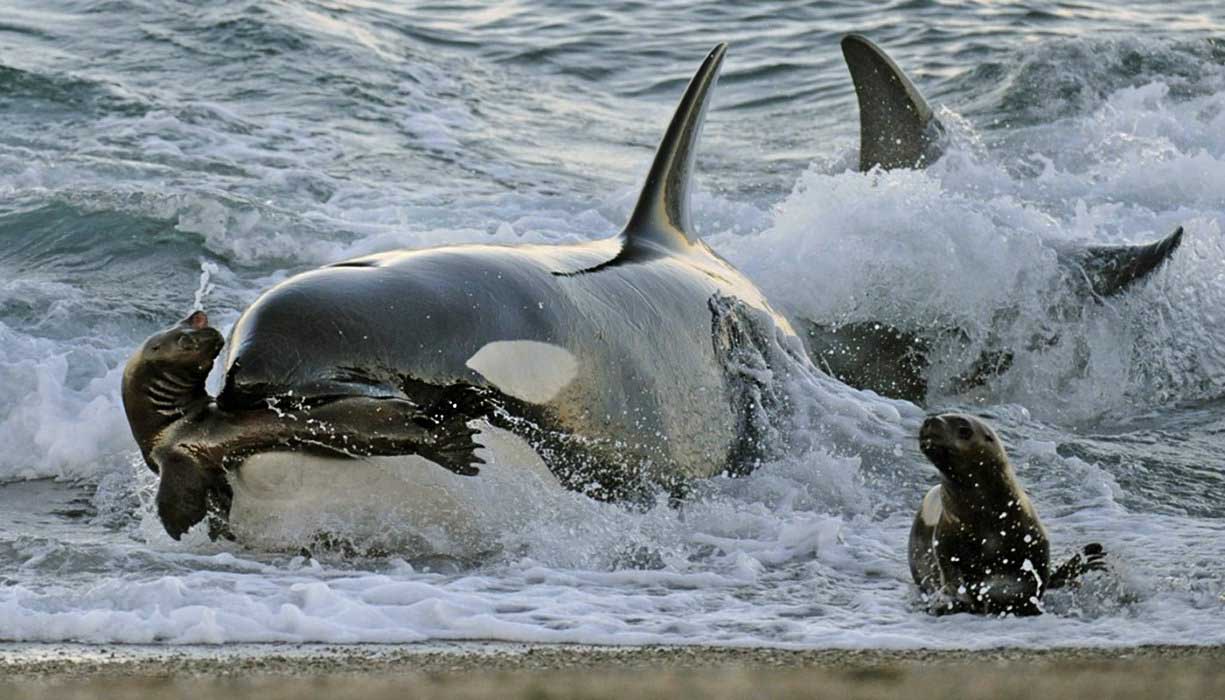
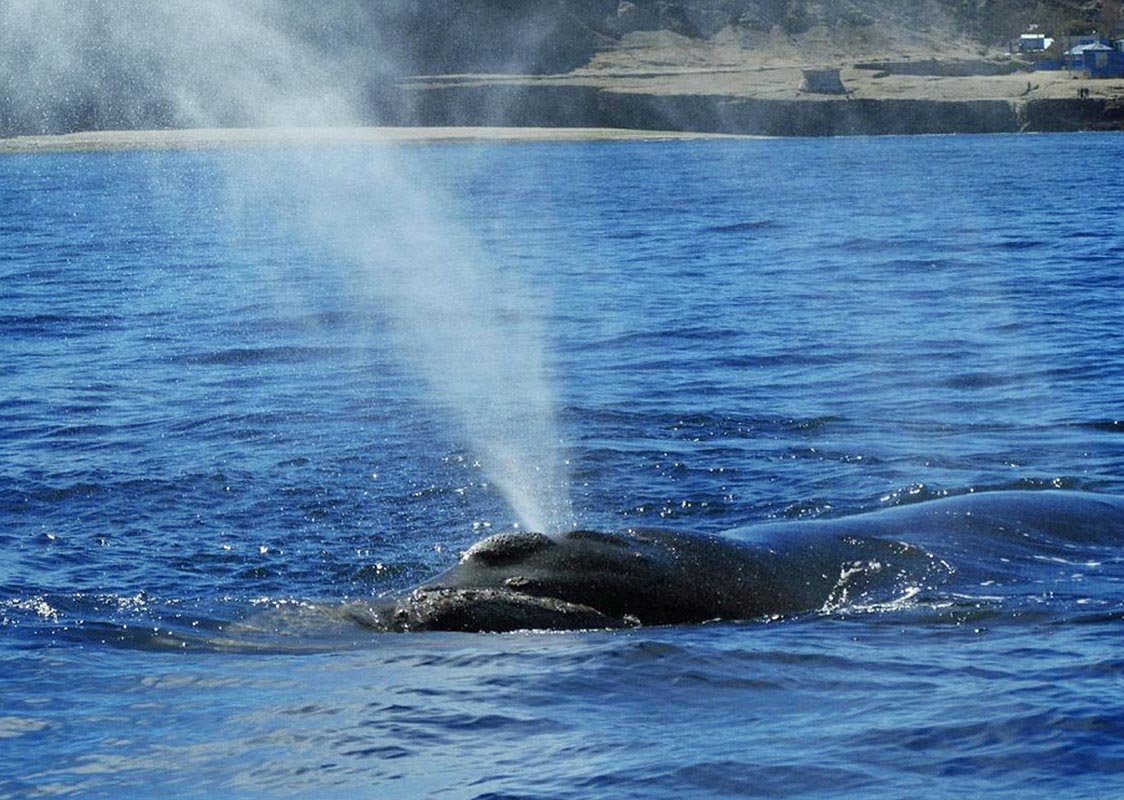
The scenic Peninsula Valdes, where arid landscapes contrast with the blue crystalline sea, is home to an important breeding population of the endangered southern Right Whale (whale season takes place from June to early December), southern sea lions, orcas (also known as “killer whales”), Magellanic penguins (penguin season is from mid-September to early April), as well as the largest continental colony of southern elephant seals in the entire world. National Geographic listed the Peninsula Valdes as one of the 10 best places in the world for whale-watching.
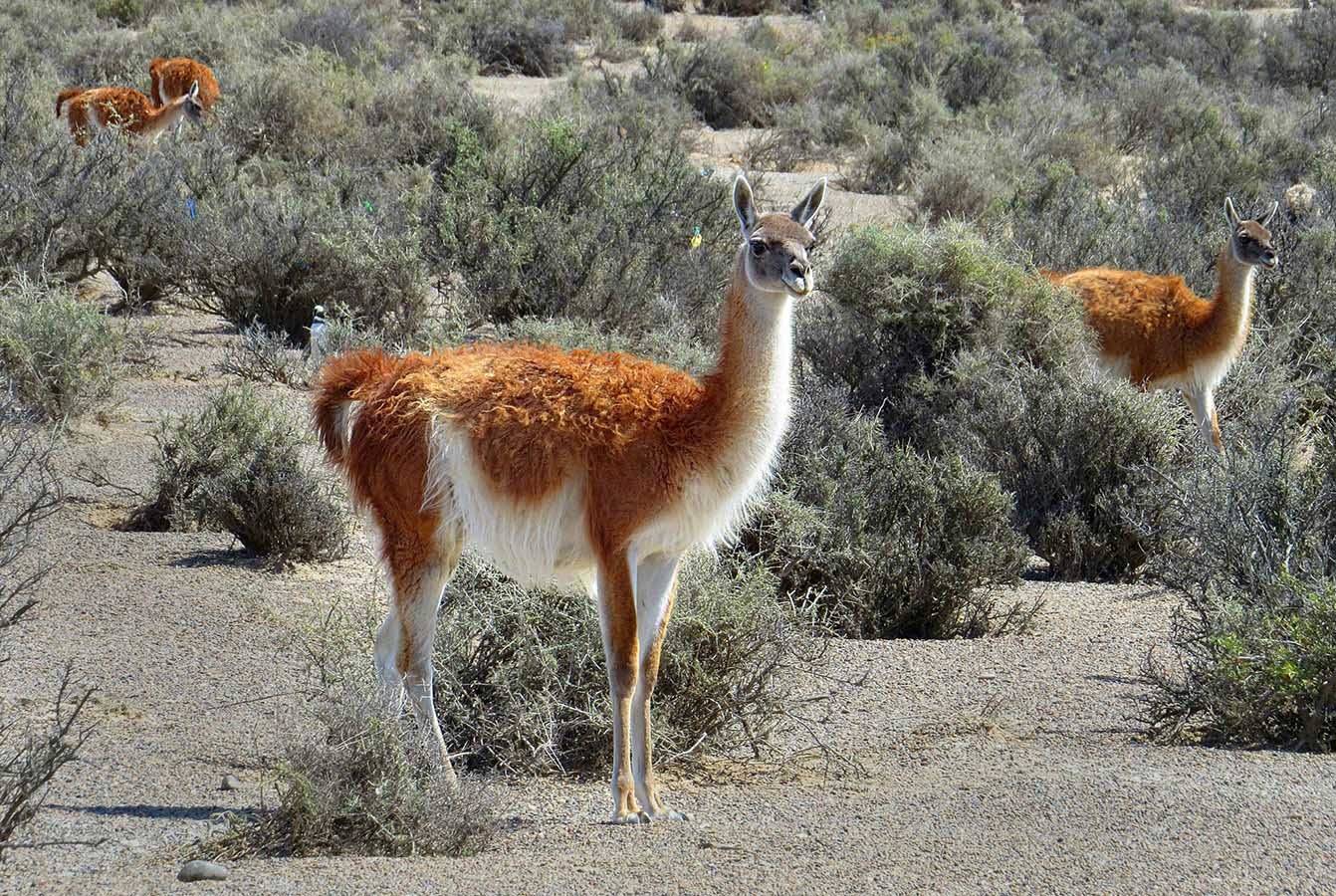
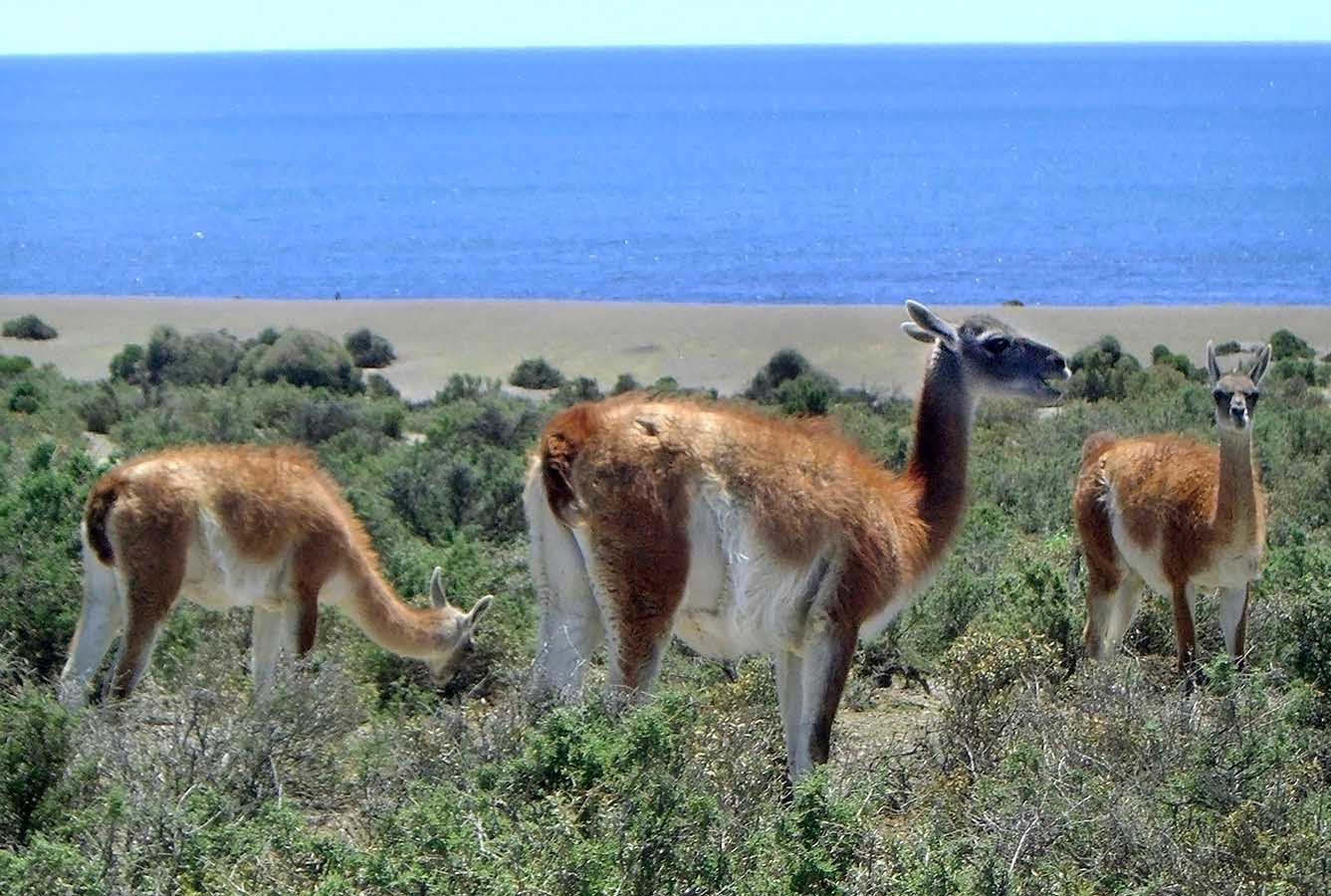
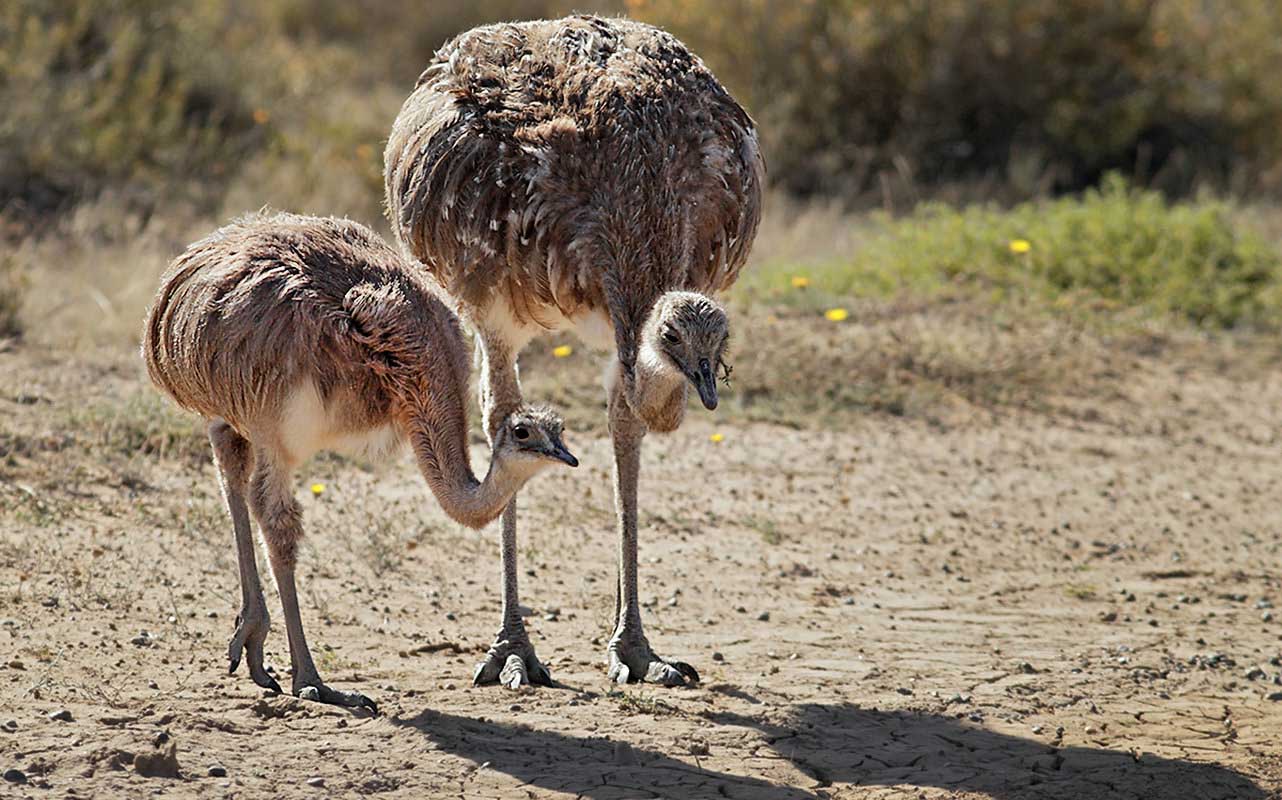
The inner part of the peninsula boasts rheas, guanacos (American Llama), hairy armadillos, ostriches and maras (very similar to hares). A high diversity and range of birds live in the peninsula as well; at least 181 species.
This is a full-day group tour.
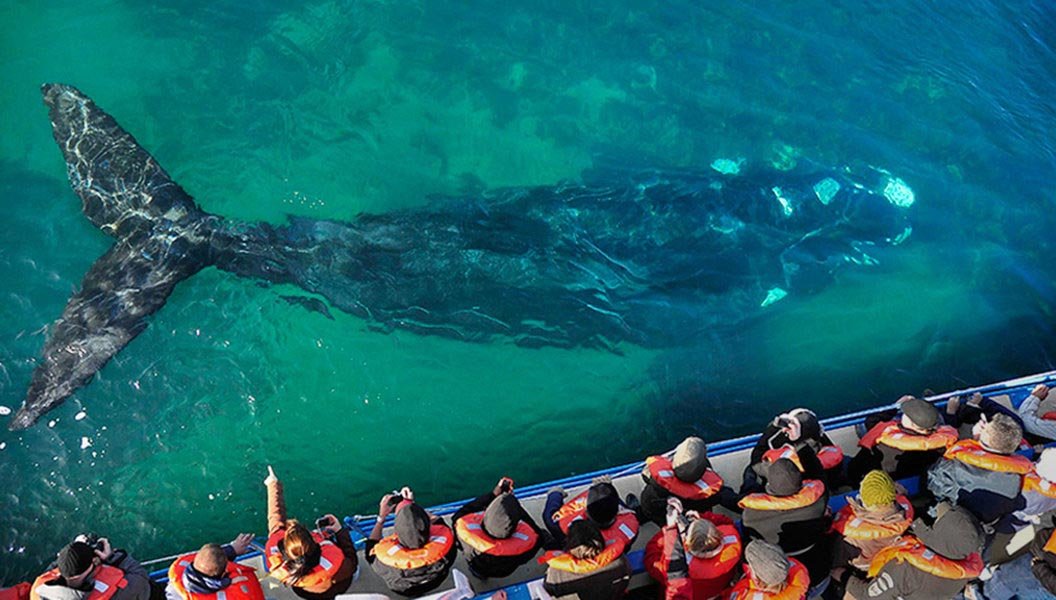
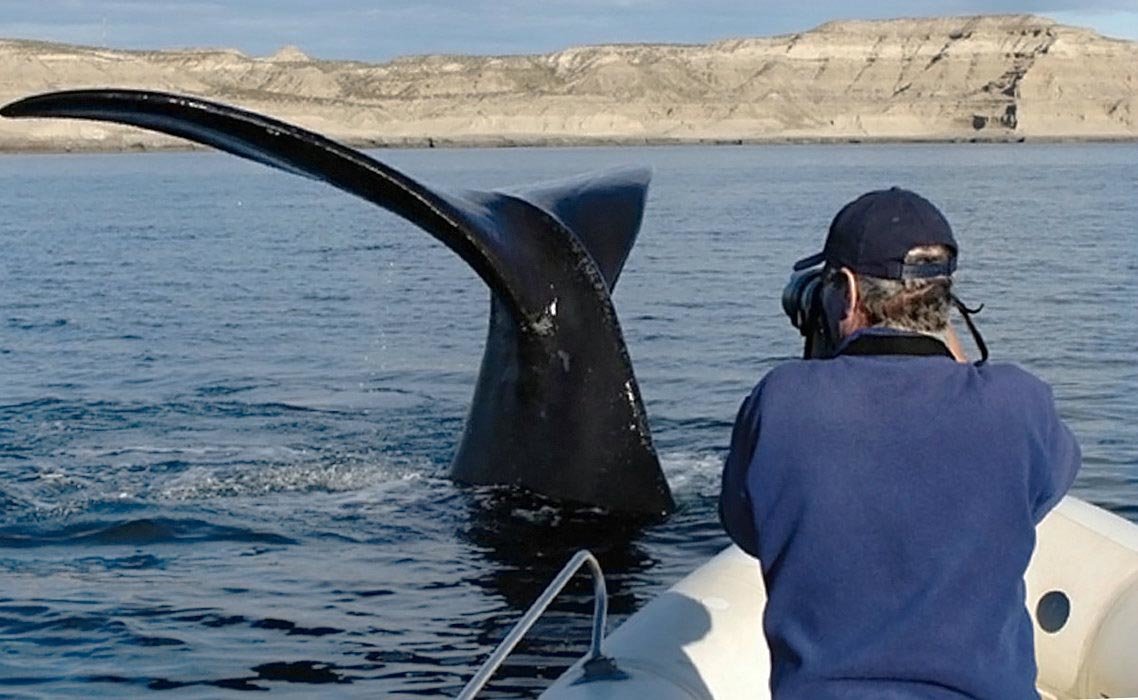
An up-close encounter with the giant Southern Right Whale
Learn why National Geographic lists Peninsula Valdes as one of the 10 best places in the world for whale-watching. We’ll embark on a whale-watching adventure to get up-close and personal with one of the largest mammals on Earth: the Southern Right Whale!
One of the world’s rarest species of whale, the Southern Right Whale got its name because of the nature of its personality: easy to approach, friendly, and yielding large volumes of oil; making it therefore the “right” whale to hunt!
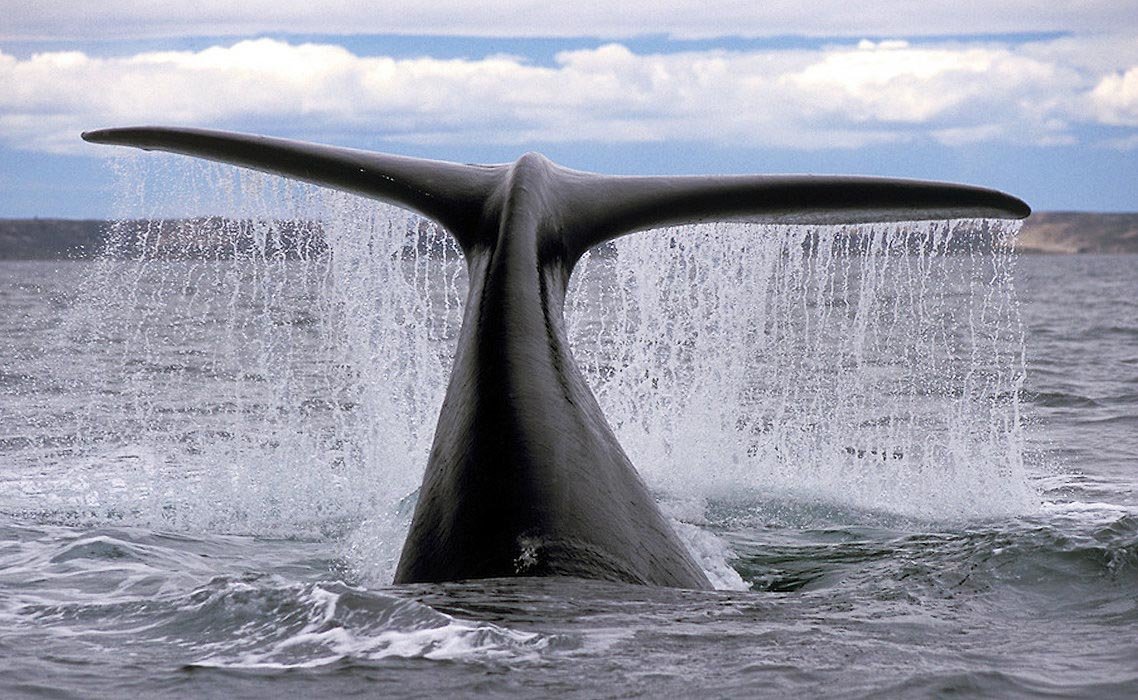
These whales are one of the more interactive whale species as they are usually on the water’s surface, which makes for a great viewing experience. They are very safe to approach and are often curious about boats passing by. They are playful and can be seen exhibiting unique behavior such as “sailing”, where they use their elevated tails to catch the wind; “lobtailing”, slapping it on the water; “headstanding,” where they rise in a vertical position with their head high above the air; and the most exciting, “breaching” where the whale jumps out of the water spinning, and landing with a huge splash!
We will spend approximately 1 hour and 30 minutes navigating before returning to the port.
This is a group tour done on the same day as the Peninsula Valdes tour.